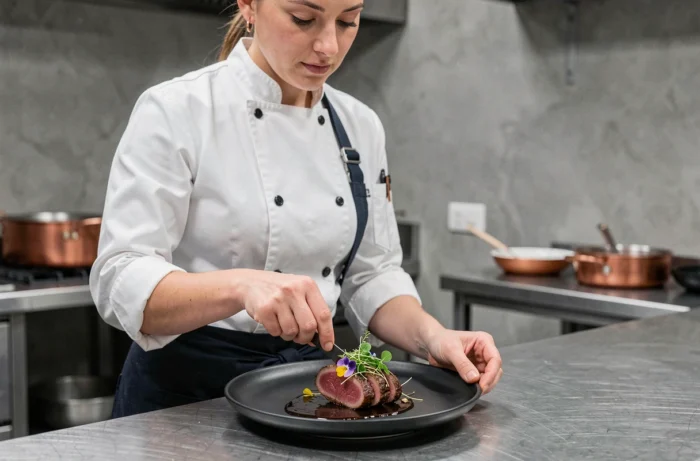
French restaurant menus are undergoing a quiet transformation. Decisions are no longer based solely on the flavors of the moment, but on a three-way balancing act that each establishment handles differently: making the menu appealing, controlling food costs as purchasing power comes under pressure, and adapting dishes to increasingly frequent heatwaves.
Restaurant menus and adapting to extreme heat: the technical challenge
This goes beyond simply replacing a hot dish with a salad. Prolonged heatwaves affect working conditions in the kitchen, the storage of ingredients, and diners’ sensory expectations.
More and more restaurateurs are now adopting weather-adaptive menus, designed from the outset with two versions of each dish: a warm or cold variation that can be served when temperatures exceed a certain threshold. This approach requires rethinking menu engineering so that both versions share as many base preparations as possible.
The challenge goes beyond the plate. Kitchen teams are directly exposed to the heat from cooking stations, making ventilation, staggered production hours, and reduced time at the stove important factors in workforce management. We have found that establishments that account for these constraints when designing their menus deliver more consistent service throughout the summer.
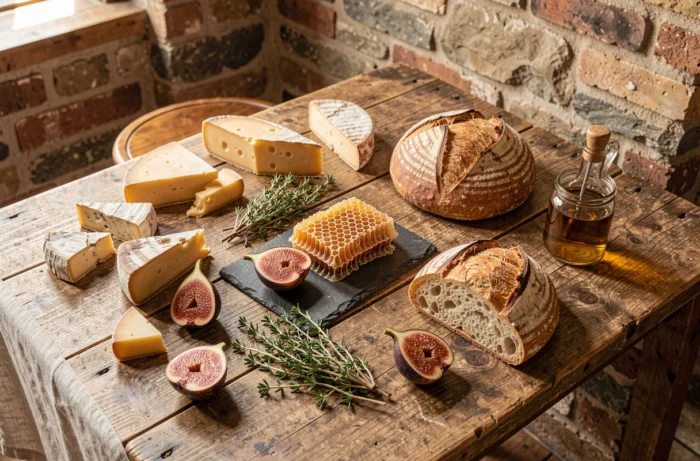
In practical terms, techniques gaining traction in this context include low-temperature cooking finished cold, acidic marinades (citrus fruits, fruit vinegars), chilled broths, and gelled textures. These preparations reduce time over high heat and meet diners’ demand for freshness.
To keep up with these developments throughout the seasons, the latest news from the Gourmet Galopin website regularly covers menu changes made by restaurants.
Purchasing power and food costs: how restaurateurs make menu decisions
Price sensitivity remains the dominant factor in menu planning. Demand for sustainable products still runs up against the average spend customers are willing to accept. This gap forces chefs to find technical compromises rather than simply moving upmarket.
Three approaches feature prominently in current decision-making:
- Making use of both premium cuts and trimmings from the same product (using an entire root vegetable, making stock from offcuts), which reduces waste while maintaining an offering that feels generous.
- Increasing the use of plant-based proteins and legumes in main courses, not as a statement of principle, but because their ingredient costs remain significantly lower than those of animal proteins at equivalent serving sizes.
- Reducing the number of menu items to concentrate purchasing volumes across fewer products, negotiate better supplier prices, and limit end-of-service waste.
This last point marks a break from the trend toward sprawling menus. Restaurants that trim their offerings to around ten dishes report better stock turnover and tighter food cost control without compromising perceived quality.
Fermented drinks and alcohol-free options: a tangible boost to margins
The no- and low-alcohol drinks segment is no longer a niche. Fermented drinks such as kombucha and kefir are becoming established in this category, driven by demand for complex flavors that go beyond fruit juice or flavored water.
For restaurateurs, the benefits are twofold. The cost of making kombucha in-house remains low compared with its menu price, making it a way to boost margins on drinks. Pairing food with fermented drinks also allows restaurants to offer a complete tasting experience to customers who do not drink alcohol, without relying on mocktails, which are often more expensive to prepare.
Fermentation in the kitchen also goes beyond drinks. Pickles, house-made miso, and lacto-fermented sauces are becoming flavor enhancers that partially replace butter or cream in finishing dishes, directly affecting both their nutritional profile and ingredient costs.
Institutional catering and sustainable purchasing targets: the persistent gap
In school cafeterias and institutional catering, available data reveal a gap between regulatory targets for sustainable and organic purchasing and the results actually reported by operators. The next reporting cycle must include the origin of purchases, making this gap more visible.
This change in reporting directly affects suppliers and institutional caterers. Establishments that get ahead by structuring local supply chains will be better placed to meet the new traceability requirements. Hyperlocal sourcing, often presented as a fine-dining trend, can also be applied at scale here, albeit with far greater logistical demands.
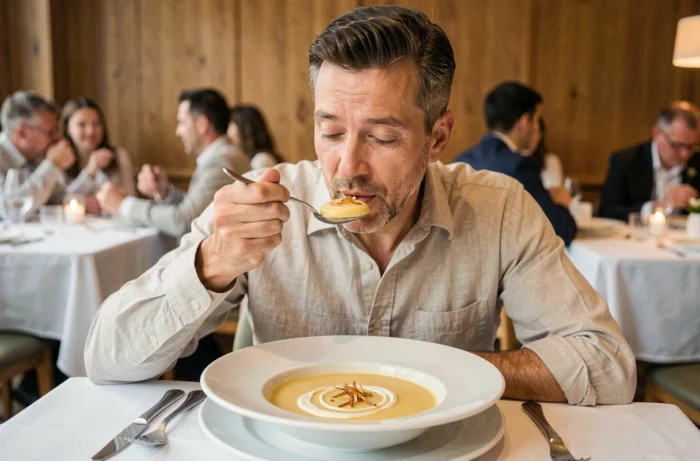
Flavor and enjoyment: targeted health benefits need not spoil the pleasure
Food innovations showcased at recent trade shows confirm that targeted health benefits and great taste can go hand in hand. Products no longer simply claim to have “less sugar” or be “high in fiber”: they target specific functions (digestibility, collagen intake, microbiome support) while also focusing on texture and flavor.
For restaurateurs, this means functional ingredients are finding their way into indulgent recipes. A dessert made with fermented sweet potato, a sauce enriched with adaptogenic mushrooms, or a white miso broth replacing a classic veal stock: the trend is to incorporate these ingredients without turning the menu into a dietary prescription.
Establishments that strike this balance do not talk about “health” in the dining room. They put enjoyment first and save the nutritional details for their digital communications, where informed customers can learn more about their approach.
French gastronomy at the end of this year is less a list of trends than a series of technical trade-offs. The restaurateurs who come out ahead are those who solve the challenges of climate, price, and flavor at the same time, without waiting for any one of these factors to stabilize.